In today’s fast-paced world, finding effective ways to unwind after a busy day has become essential for maintaining both physical and mental well-being. One popular solution gaining traction is the use of massage chairs. These devices are designed to simulate the experience of a professional massage, offering convenience and accessibility within the comfort of one’s home. But do massage chairs truly help with relaxation after hectic days? The answer lies in understanding how they work and their potential benefits.
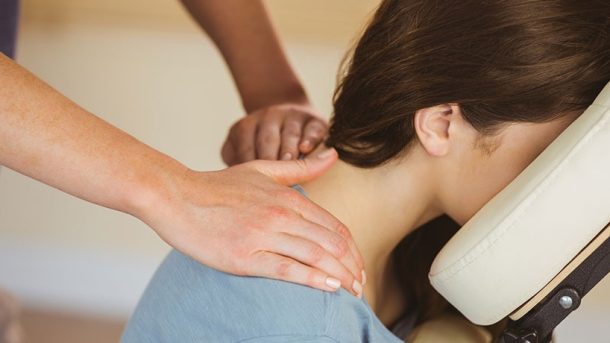
Massage chairs employ various techniques such as kneading, tapping, rolling, and shiatsu to target different muscle groups. By applying controlled pressure and rhythmic movements, they aim to relieve muscle tension accumulated throughout the day. This physical relief can significantly reduce stiffness and soreness caused by long hours of sitting or standing, repetitive motions, or stressful activities. When muscles relax, blood circulation improves which helps flush out metabolic waste products while delivering oxygen and nutrients more efficiently to tissues.
Beyond physical benefits, massage chairs also influence psychological relaxation by triggering the body’s parasympathetic nervous system-the part responsible for rest and digestion. The gentle stimulation provided by these chairs promotes the release of endorphins-natural chemicals that elevate mood-and reduces cortisol levels associated with stress. Many users report feeling calmer and more centered immediately following a session.
Moreover, regular use of massage chairs can contribute positively toward better sleep quality. Stress often interferes with falling asleep or staying asleep throughout the night; however, unwinding through a soothing massage routine before bedtime may ease this problem by calming both mind and body.
It is important to note that while massage chairs offer numerous advantages related to relaxation, they are not substitutes for professional medical treatment when dealing with serious conditions like chronic pain or injury. Individuals should consult healthcare providers if unsure about using such devices safely.
Additionally, choosing an appropriate model tailored to individual preferences enhances effectiveness-features like adjustable intensity levels, heat therapy options, zero-gravity positioning (which elevates feet relative to heart), and customizable programs allow users greater control over their experience.
In conclusion, massage chairs do provide tangible benefits in promoting relaxation after demanding days by alleviating muscle tension physically as well as fostering mental calmness through neurochemical changes in the brain. For those seeking convenient methods to decompress at home without scheduling appointments or traveling outside their routine environment-a quality massage chair reviews can be a worthwhile investment contributing positively towards overall wellness routines.